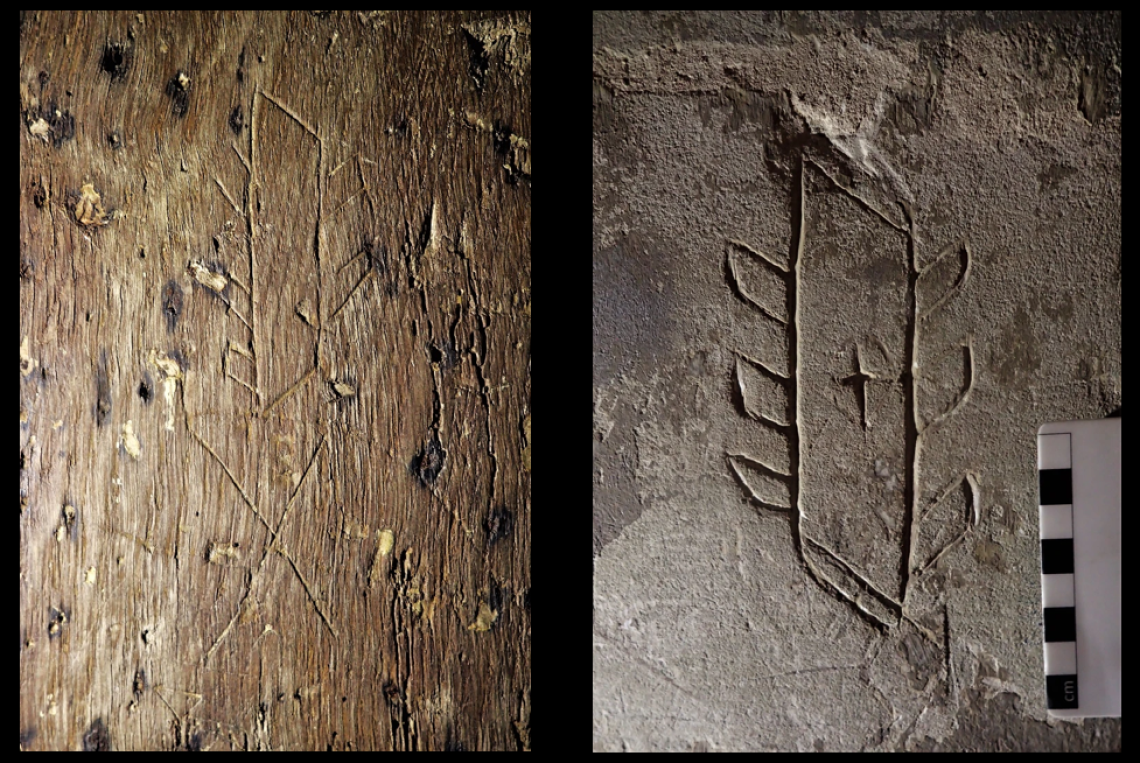
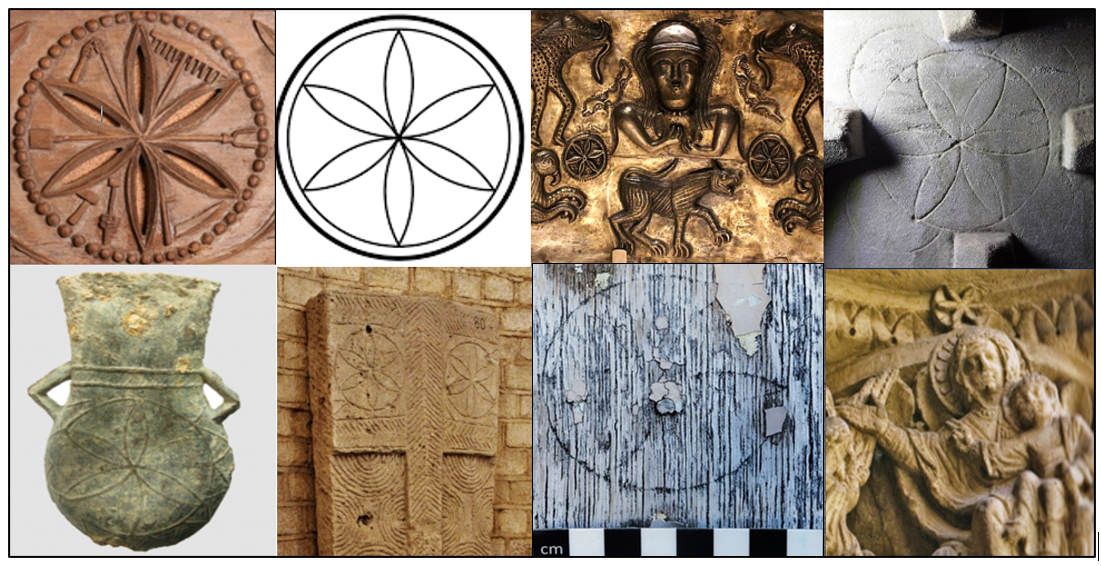
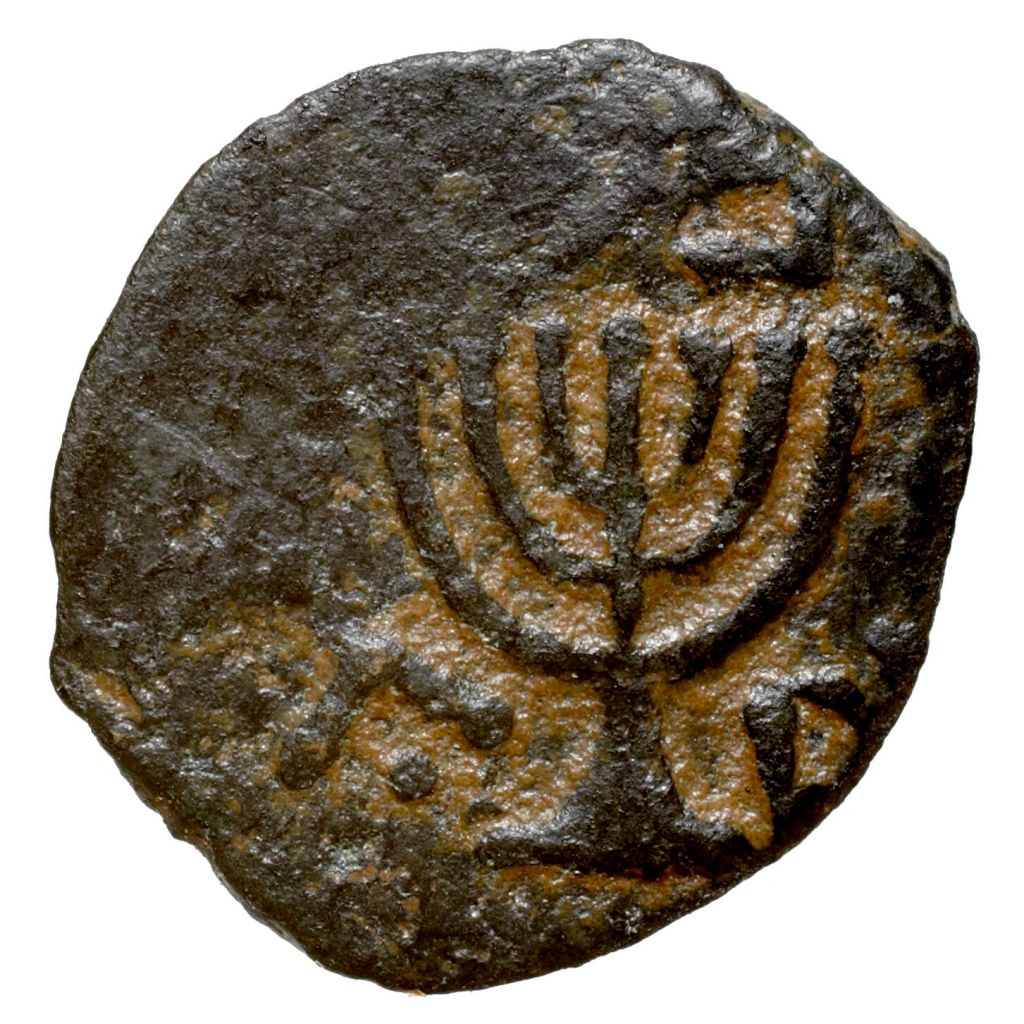
Main image: The six-petal rosette design deployed in a number of different ways and on a range of objects over the millennia.

l
Tuesday September 9th 2025 [Online]
Hosted by: Viktor Wynd’s ‘Last Tuesday Society’
History has shown us that the Witch – as conceived of as the broom-riding hag stereotype – was essentially the delusional construct of the misogynist cleric Heinrich Kramer of the 15th century.
His insidious ideas were perpetuated via the publication of the ‘Malleus Maleficarum’ (Hammer of the Witches) in 1486, a propagandist tract which came complete with fake approbations from his Faculty in Cologne. Condemned on release, numerous reprints over the years continued to disseminate his ideas, contrary to intellectual thought elsewhere.
As Kramer’s assertions were fantasy, it would be therefore safe to assume that no one had ever been harmed by so-called ‘maleficium.’
And yet, Kent’s Assize Court Records are full of indictments of those accused of practising malignant witchcraft and the subsequent judgements which led to their execution. Following the Witchcraft Act of 1562, indictments for murder by witchcraft had begun to appear in the historical record.
This illustrated talk uses a combination of survey, local case studies and the examination of the key witchcraft trials in the county to paint a picture of 17th century Kent. It was second only to Essex to have the highest number of witchcraft indictments in England
18th September 2025
‘Incendiary Behaviour! Ritually-Applied Taper-Burn Marks in the Lord Leycester.’
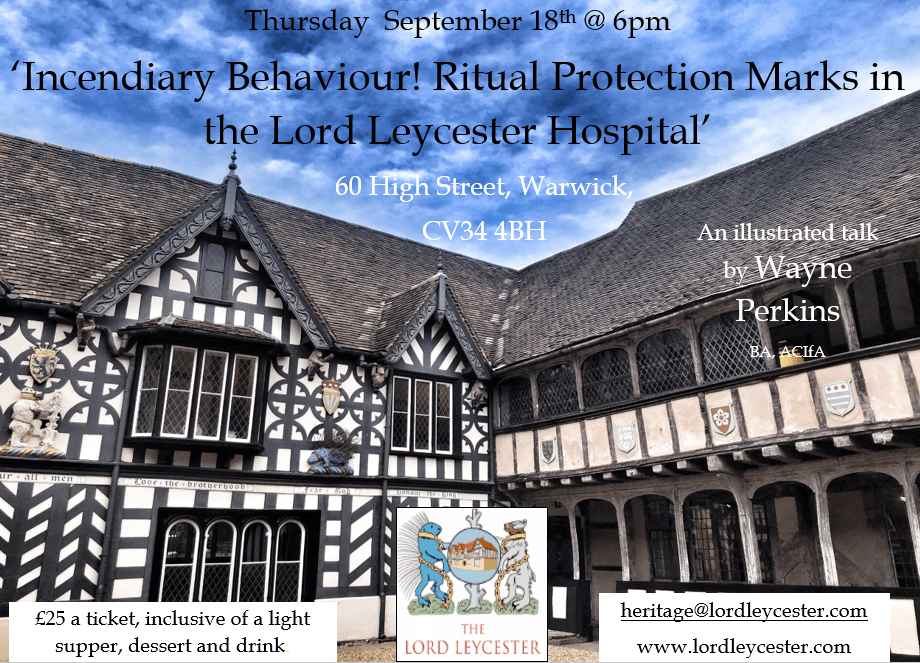
Hosted by: The Lord Leycester Hospital, Warwick

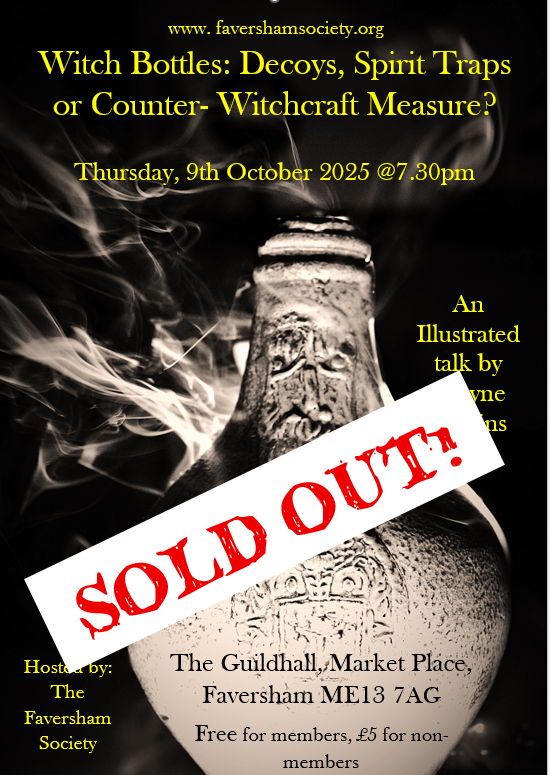
9th October 2025 @ 7.30pm
‘Witch Bottles: Decoys, Spirit Traps or Counter-Witchcraft Measure?’

17th October 2025
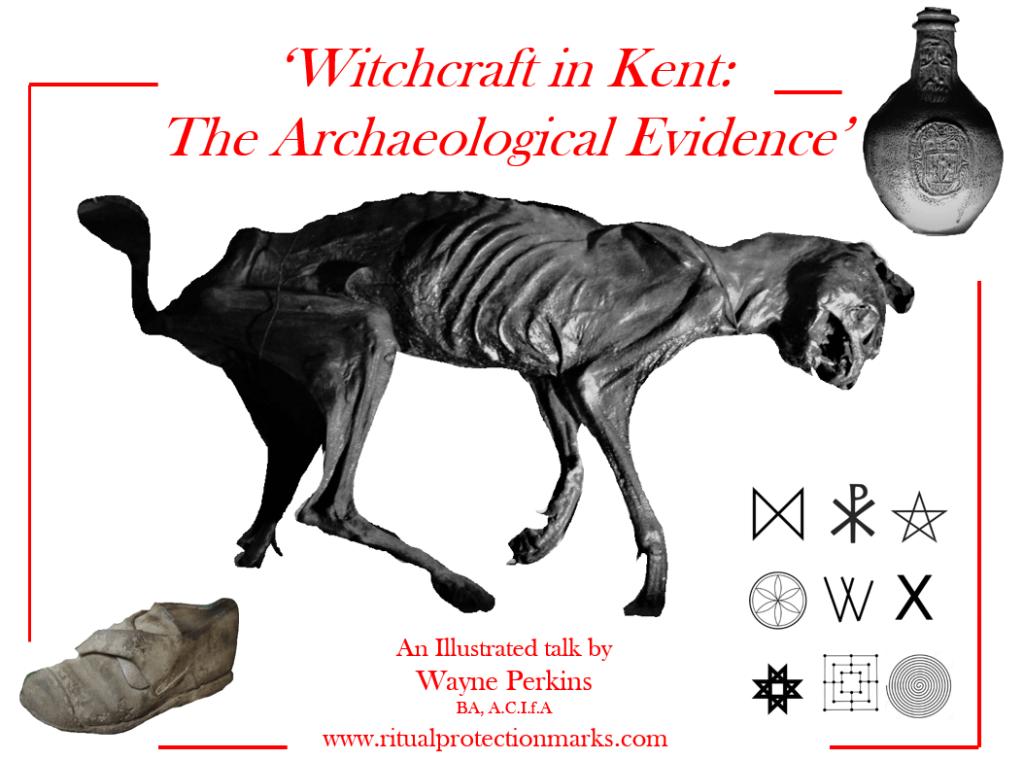
‘Witchcraft in Kent: The Archaeological Evidence’
Hosted by: Dartford Historical & Antiquarian Society
22nd October 2025
‘Witchcraft in Kent: The Archaeological Evidence’
(with reference to the Maidstone Witch Trial of 1652).
Hosted by: The Marden Society

28th October 2025
‘Daisy Wheel, Hexafoil, Flower of Life: One Symbol’s Journey’ [Online]
Hosted by: Viktor Wynd & the Last Tuesday Club
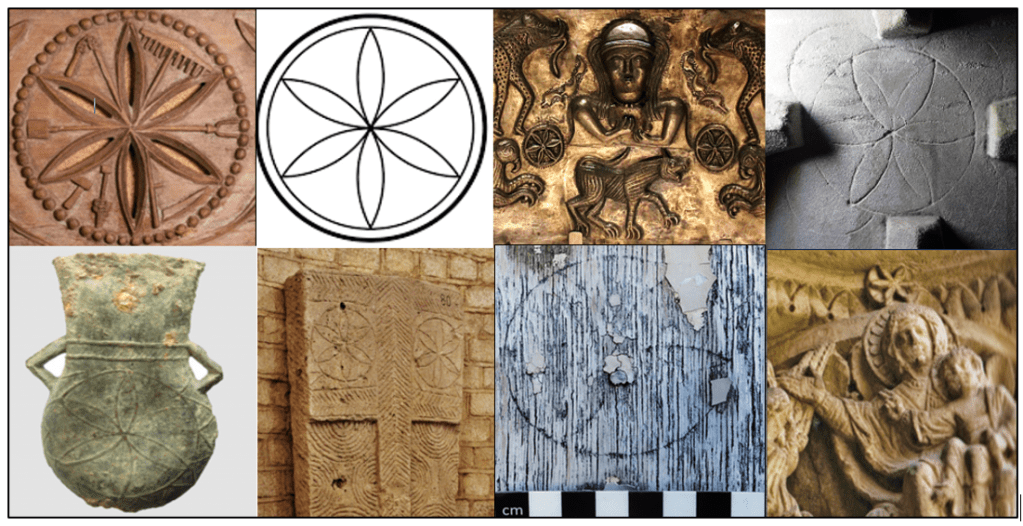
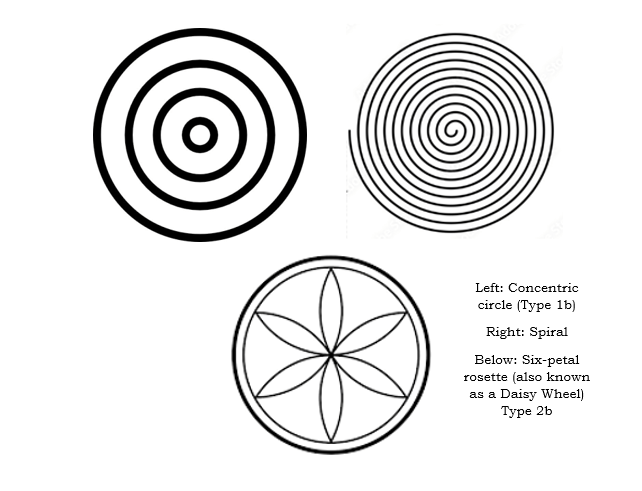
The six-petal rosette is well known to graffiti hunters, sometimes referred to as a daisy wheel. To geometers it is known as a hexfoil (or hexafoil) and to the adherents of the New Age as the ‘Flower of Life.’
It is first recorded as a solar symbol in Near East in the 8th century BC, flanking a Syrian solar deity – although there are claims that it can be seen in the symbolic art of earlier cultures.
It appears on the Gundestrup Cauldron; an object melding Celtic, Thracian and Near Eastern mythical symbolism. Two rosettes flank a Goddess, surrounded by exotic creatures which seem to be elephants, winged griffins, and a large feline.
The symbol was carried west by the Roman Legionnaires where it often appears on their headstones. The Merovingians of the 5th century deployed the symbol alongside pagan imagery on their grave slabs. By the 8th century, it was adopted by the Carolingians and embedded within their sacred architecture.
In early Medieval Europe it was used to invoke the protection of the Virgin, sometimes placed as a ‘crown’ in holy sculptures from the Mediterranean. By the time it arrived in England, it was considered to be the motif most appropriate for the pilgrim ampullae of Our Lady of Walsingham, the second most important shrine in England after Thomas Beckets shrine Canterbury.
Following the Black Death, the symbol was appropriated by the new elite class to adorn and protect their high-status buildings in the Tudor age. To show its durability, it even went on to have a further life as a motif used on headstones in the New World.
29th October 2025
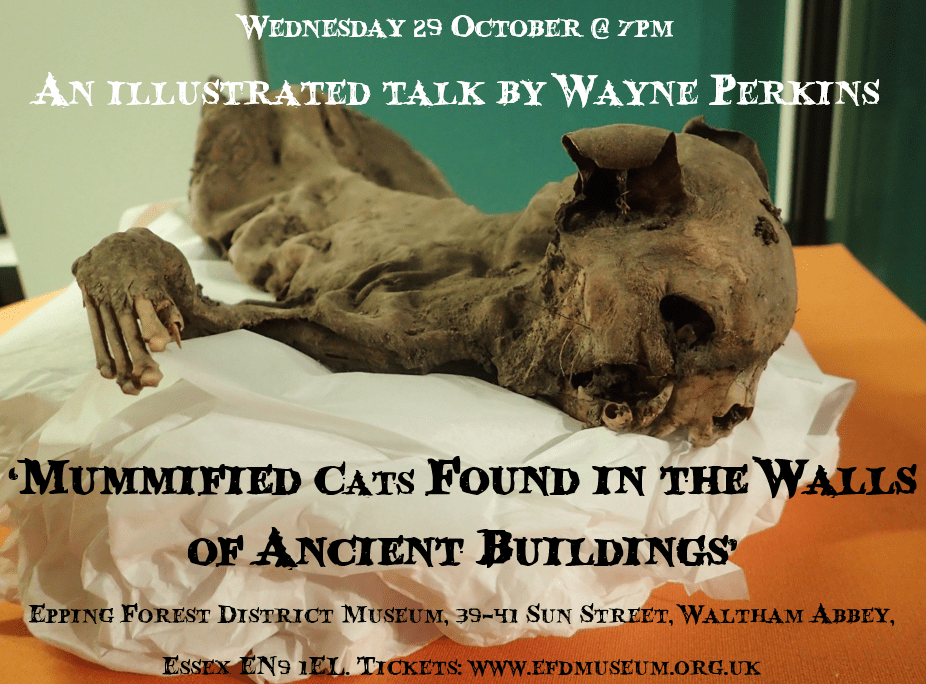
‘Mummified Cats Found in the Walls of Ancient Buildings’
Hosted by: Epping Forest District Museum
7th November 2025 [PLEASE NOTE CHANGE OF PROGRAMME]
Hosted by: Sheppey Little Theatre
Witch Bottles: Decoys, Spirit Traps or Counter- Witchcraft Measure?

The witch bottle is one of the most immediately recognizable ‘magical’ objects among the repertoire of objects found deliberately concealed within ancient buildings. Their squat, anthropomorphic form, accentuated by their fearsome bearded face (or mask) gives the bulbous salt-glazed jug an almost human appearance.
Witch bottles are often found buried in the inverted position either under the hearth or under the principal threshold of 16th and 17th century buildings. Their contents can comprise human urine and nail cuttings – often combined with bent pins and nails – which has been interpreted as the result of a non-Christian, even heretical ‘ritual’ act.
Their association with the ritual protection of the house is clear – but was the intent of their maker to function as a decoy to divert evil influences, to act as a spirit trap or to work as a counter-witchcraft measure, designed to fend off the possibility of psychic attack or bewitchment?
This illustrated talk will act as both an introduction to the current understanding of their uses as well as outlining a number of different ways in which they were deployed over time….many of the examples illustrated in the talk are culled from the county of Kent.
http://www.sheppeylittletheatre.co.uk

13th December 2024.
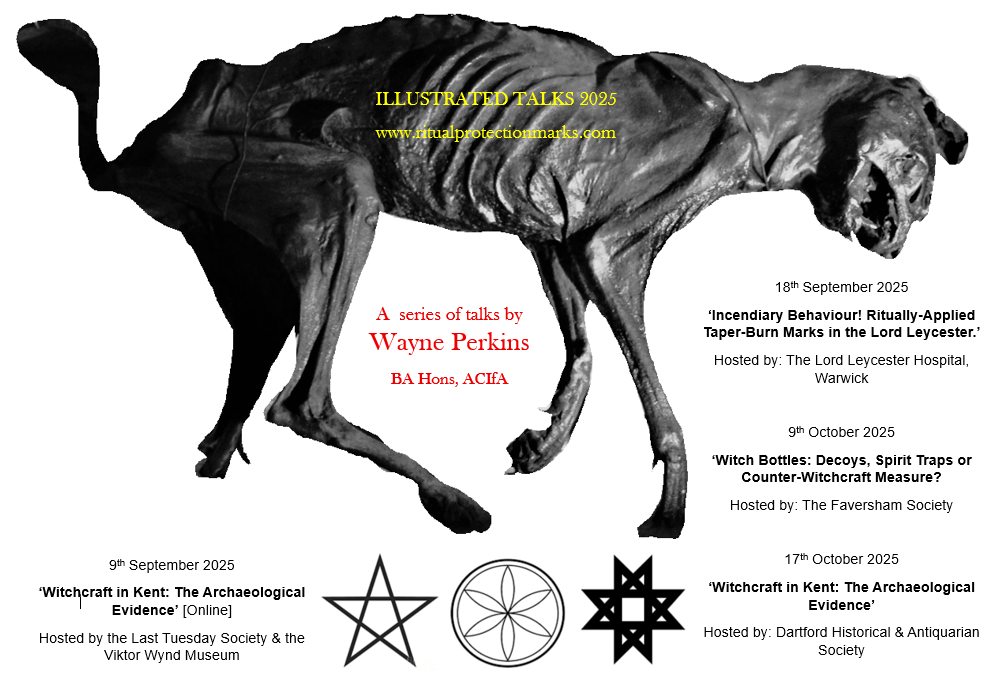
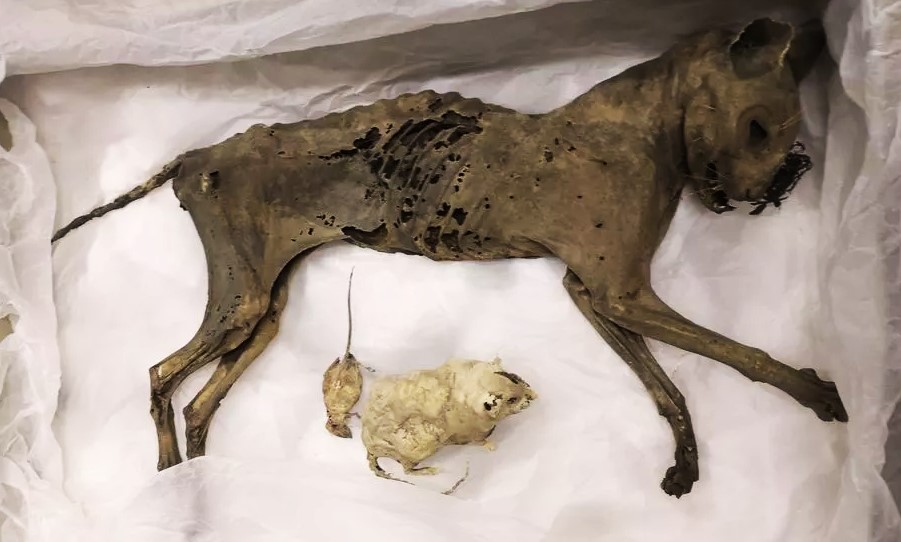
‘Mummified Cats Found in the Walls of Ancient Buildings
Hosted by: South Worcestershire Archaeological Group
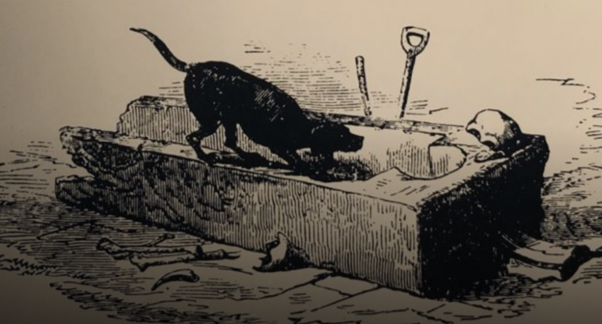
The phenomenon of dried or mummified cats found within the wall cavities or voids of old buildings is just one practice aligned with the other acts of ritual building protection. It was often practiced alongside the intentional concealment of old shoes and worn clothes and the burial of so-called ‘witch bottles’ under thresholds.
Prosaic explanations have long been dismissed. In some instances, the cats had been posed into hunting scenes, ‘pegged’ into place, affixed with wire or inserted into the wall cavity ‘post mortem’ – which allowed for ‘pre-rigor-mortis’ posing and placement. In some cases, it is apparent that an attempt had been made to desiccate or smoke the cats prior to their insertion.
In many 17th century houses, they may have been immured to act as guardians for the home but whose prey may have been ‘spiritual’ vermin.
Witches were thought to work their evil by the means of familiars, often in the form of lesser animals. In the imaginations of the witch hunters of the Early Modern Period (c. AD 1550-1800), cats had become associated with the supernatural.

Further information regarding each of the above events will follow shortly, or please contact wmp1@yahoo.com or visit.

 Ritual Protection Marks & Ritual Practices