
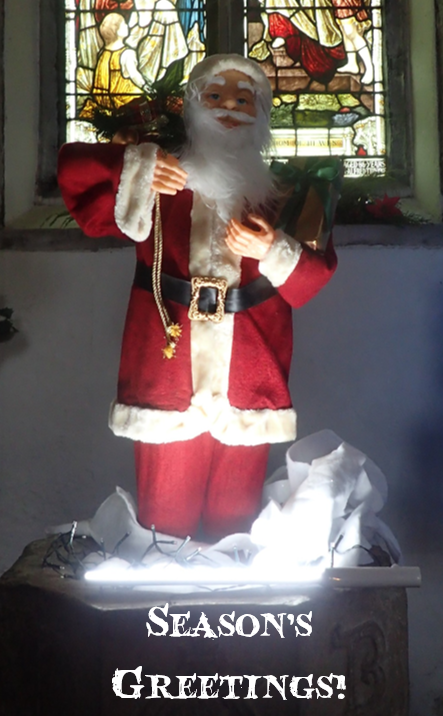
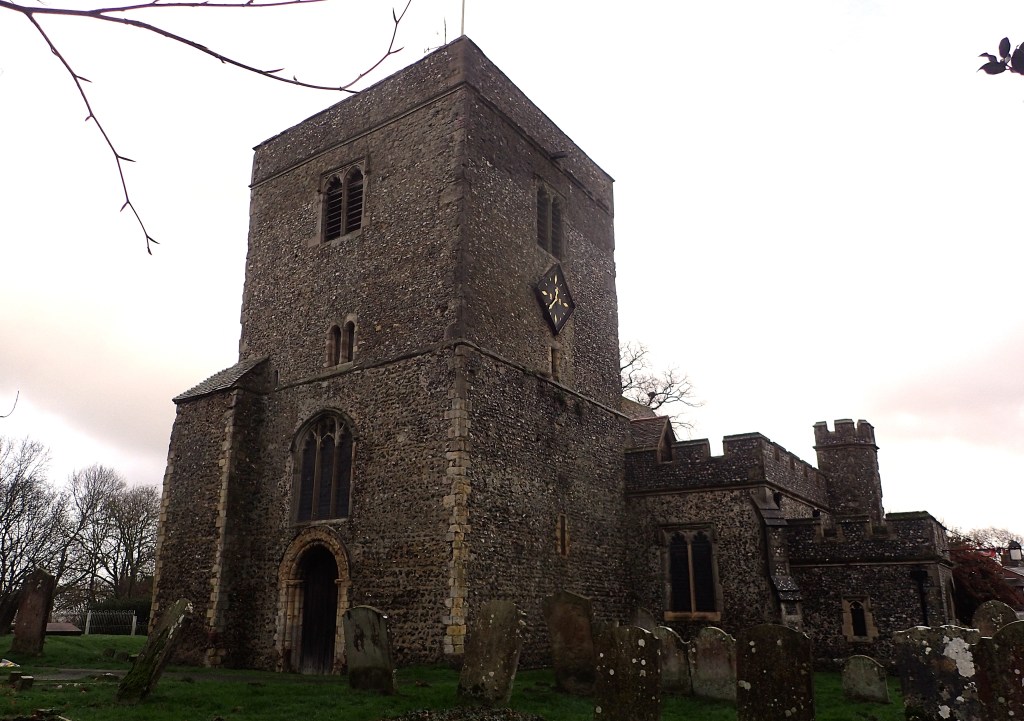
…that I slipped into the church of St Peter & St Paul, in the village of Borden in Kent to find it gaily decorated for Christmas….
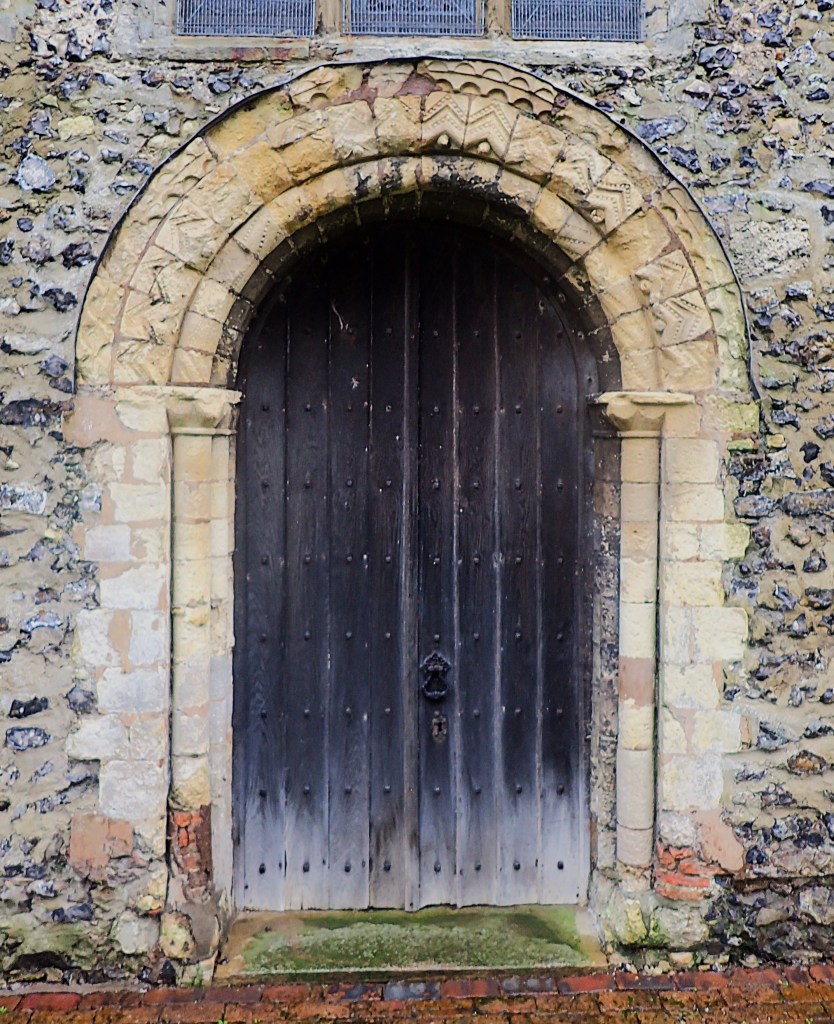
The first thing that you notice is the stout c.15th century tower which possesses a beautifully carved Romanesque west doorway. Work of this kind is recorded by the CRSBI who describe it thus,
“The carving of the west door is rather elaborate, even for a region with no shortage of sculpture, and must have required a considerable amount of work. This suggests that the church probably had a lavish, even ostentatious patronage….”.
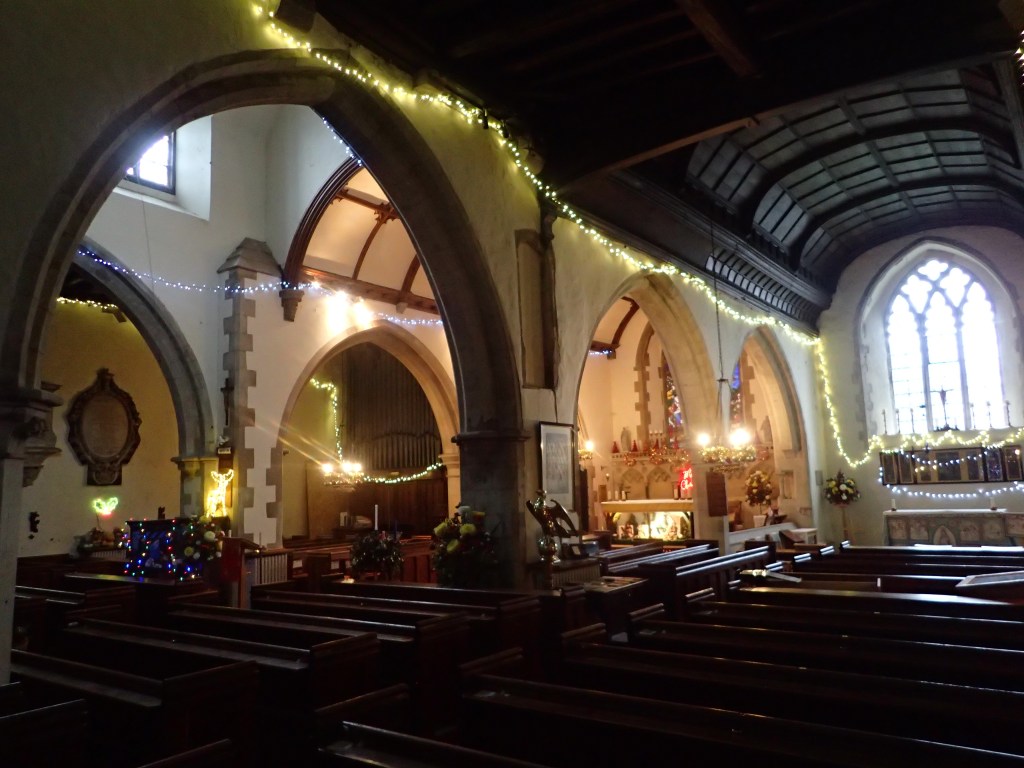
Inside, you are in a church dating mainly to the 13th century but its 12th century origins show through, principally in the Norman west tower arch. Glynne (1879) noted that the aisles were, very wide giving the church a light, airy interior.
Of special note is the painting of St Christopher on the north wall facing the south door.
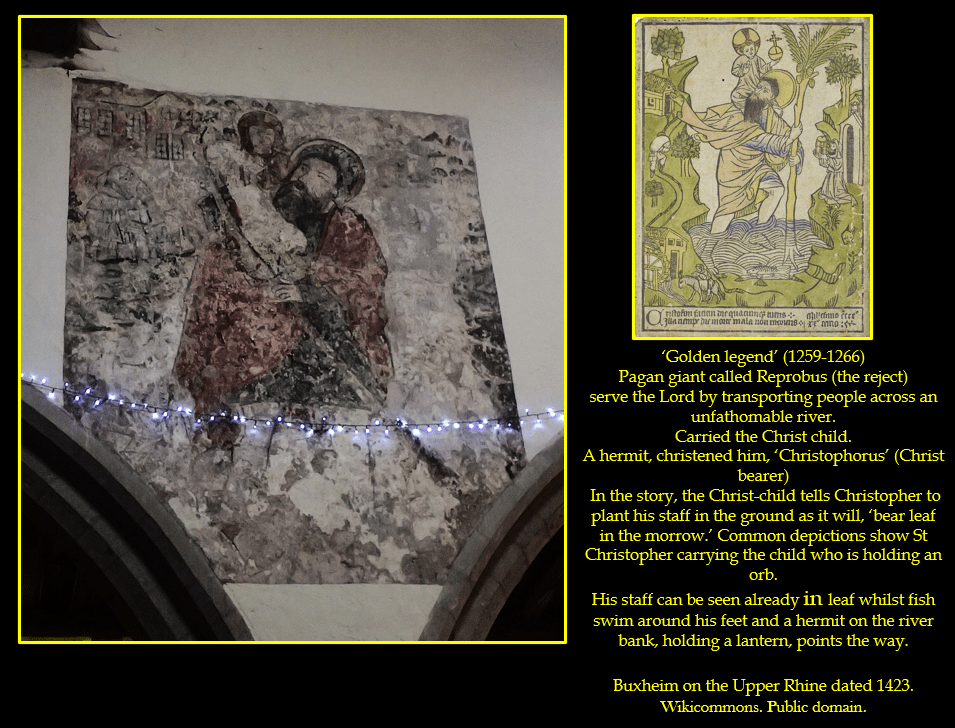
I have written about St Christopher and his flowering staff in a piece about the ‘Ragged Staff’ motif for the website, see link below (Perkins 2023).
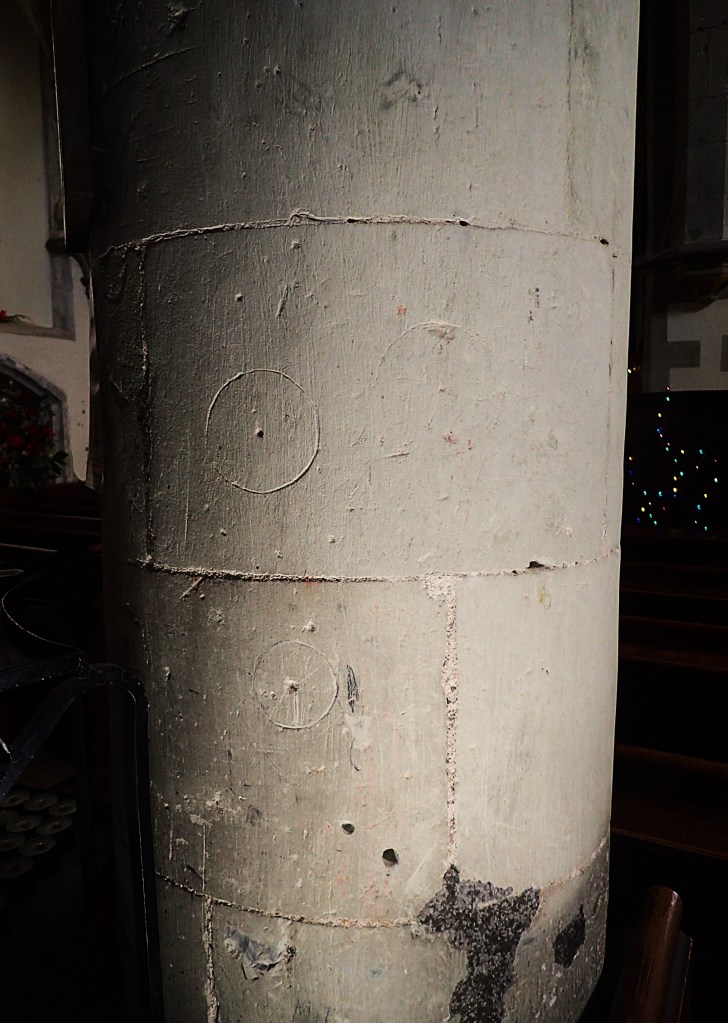
Of course, the visit was in preparation for an illustrated talk I was to give the following January. The church possesses a fine corpora of graffiti, including devotional motifs, apotropaics and compass-drawn circles.
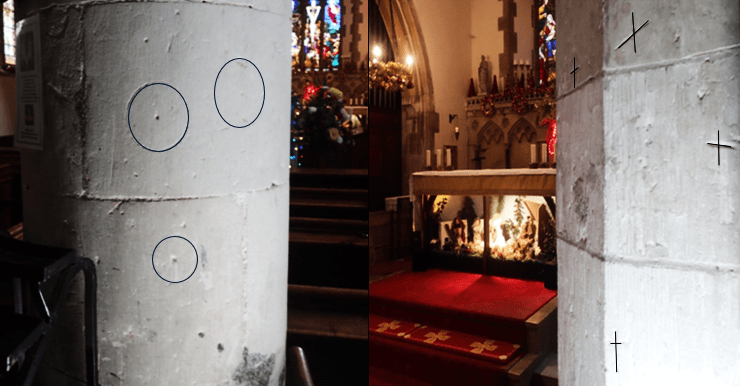
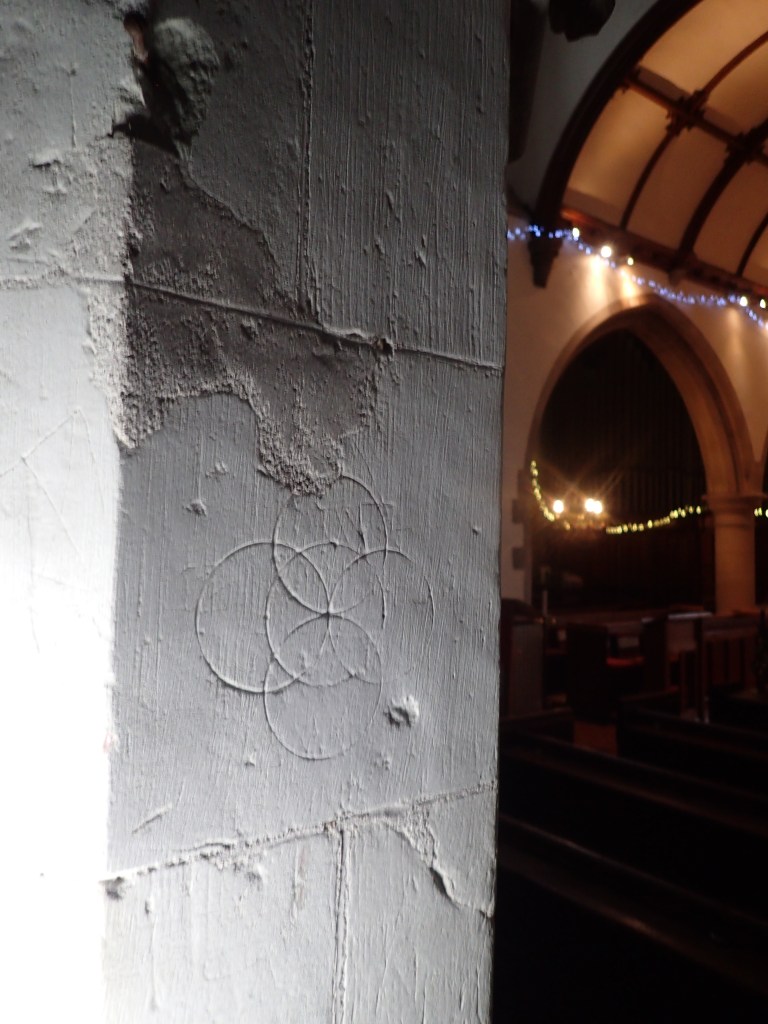
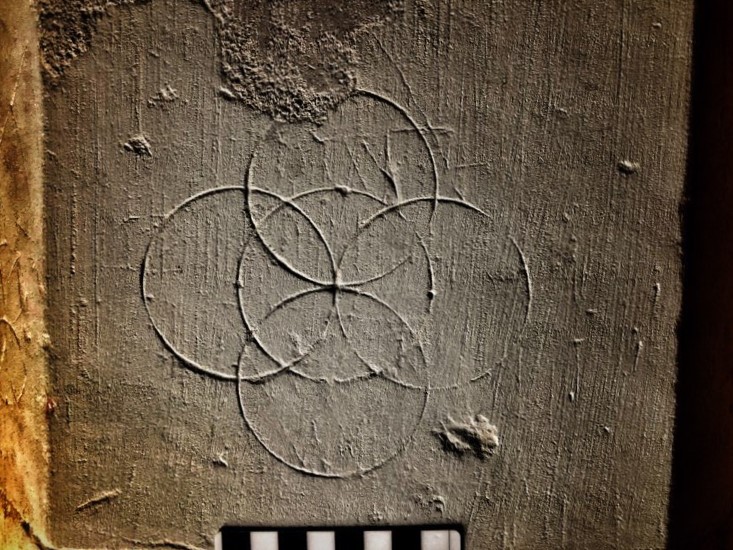
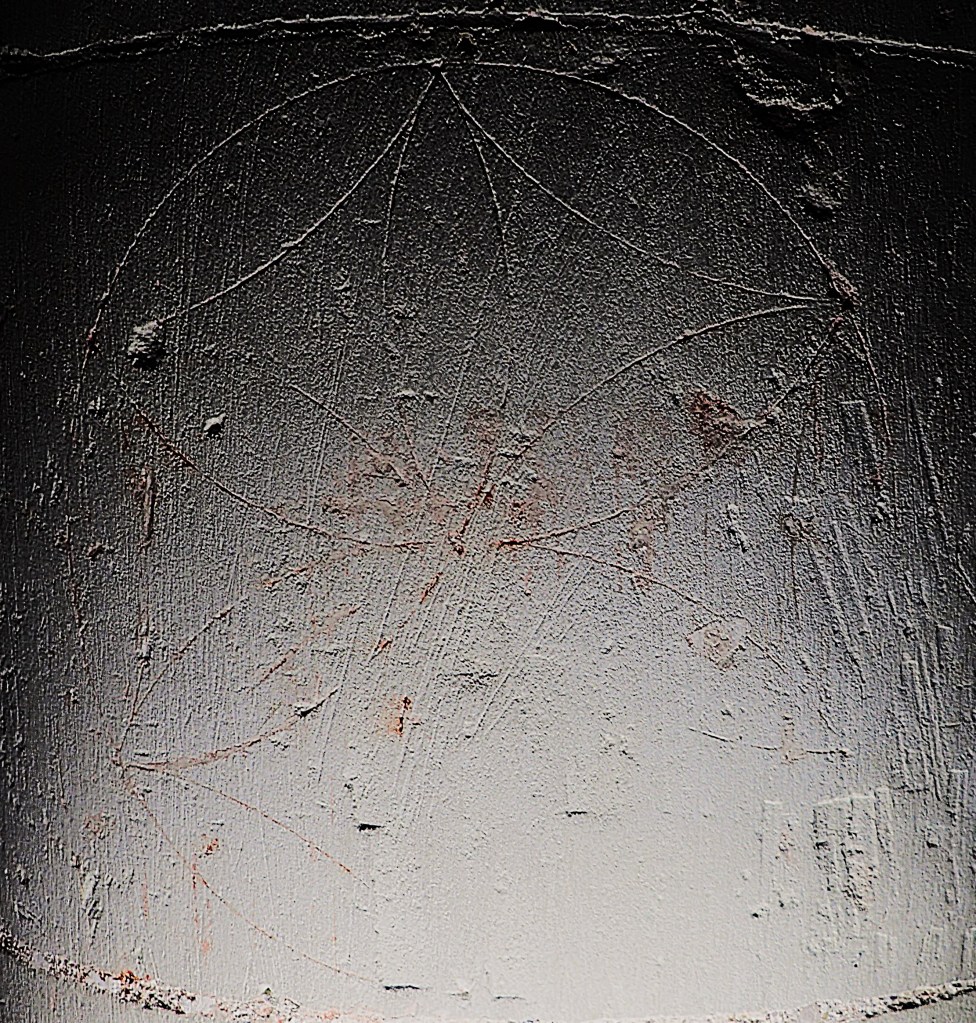
I have written about compass-drawn circles in my blog, ‘Return to the Source’ for the website, see link below (Perkins 2022).

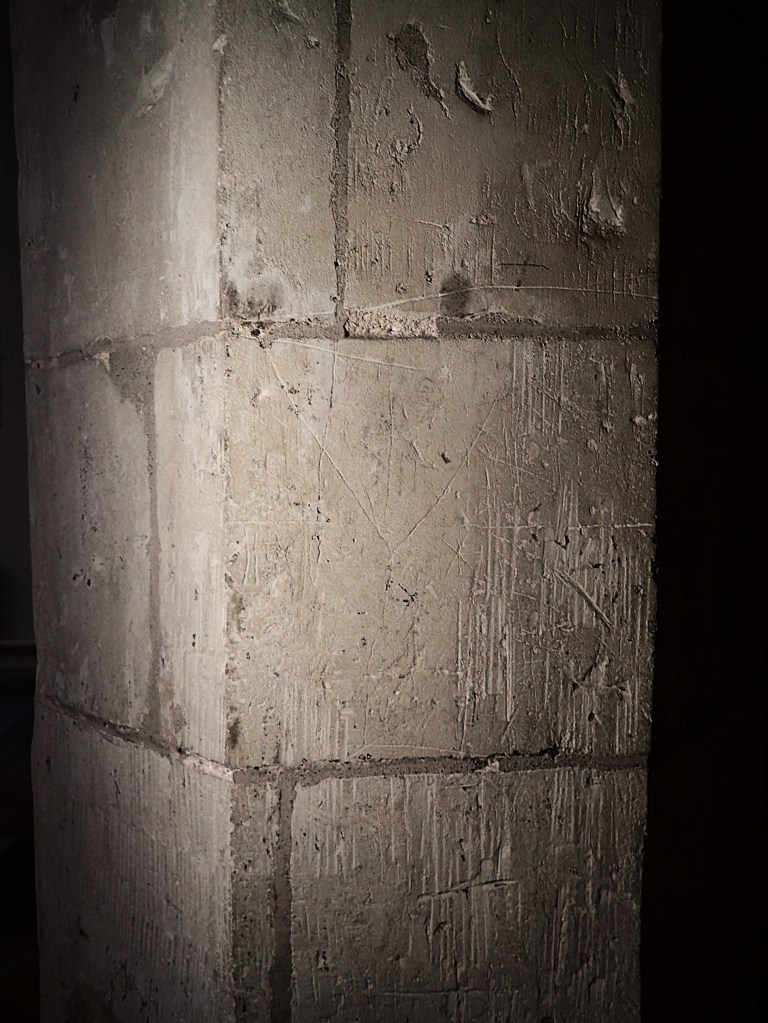

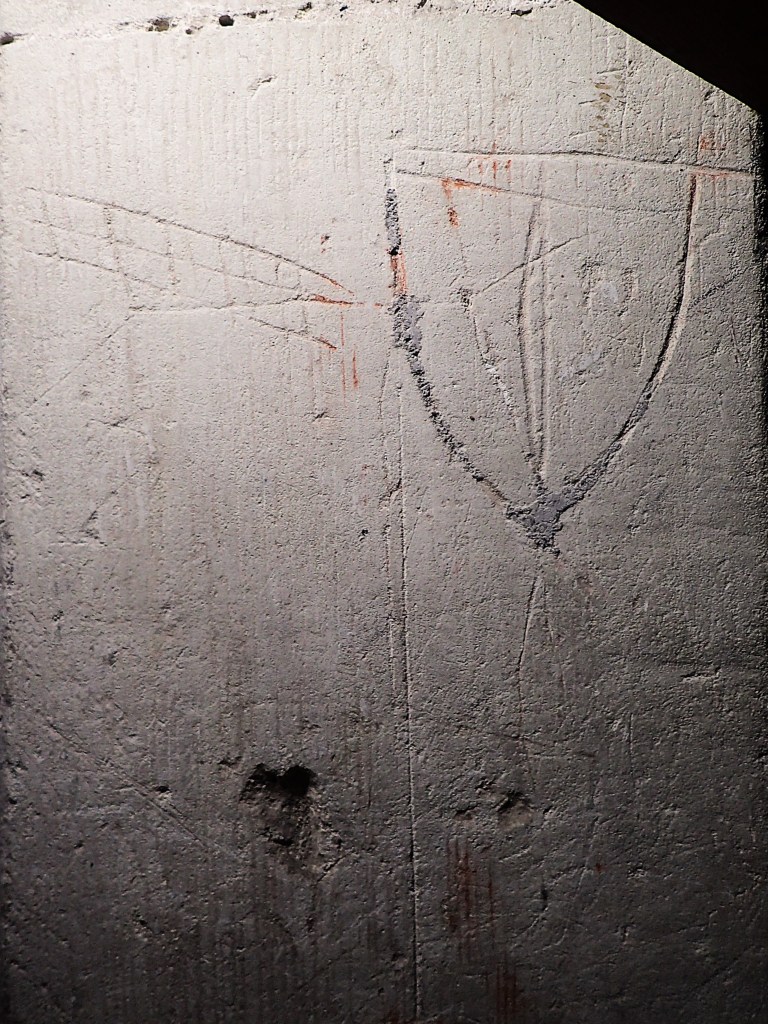
The ladder motif is known from Christian iconography as ‘Jacob’s Ladder,’ which was believed to be the ladder that had appeared in a dream to the biblical patriarch Jacob. It occurred during his flight from his brother Esau, as recounted in the Book of Genesis. Whether initially conceived as an analogue or a metaphor for spiritual ascent, by the 3rd century AD the ladder had become both an ‘ascetic’ ladder – one that the soul ascends by being virtuous – as well as acting as an allegory for the soul’s travel to heaven in death.
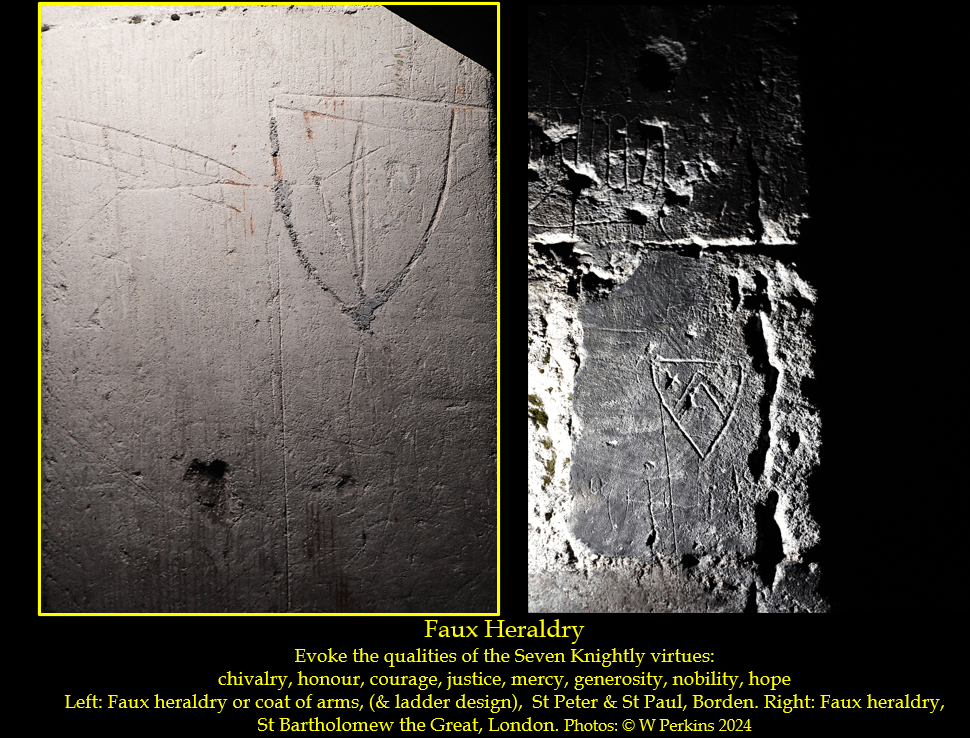
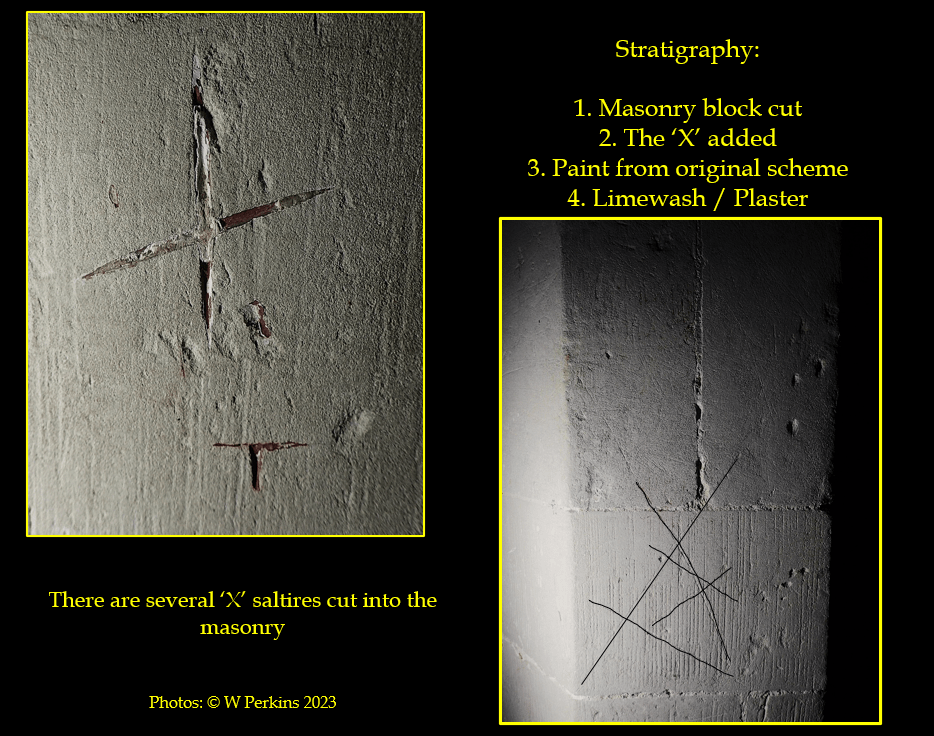
It is now generally agreed that most of the ‘coats of arms’ recorded within the corpora of graffiti are not depictions of actual heraldry but rather were intended to imitate or invoke the qualities of the chivalrous knight. For the most part they are termed ‘faux’ heraldry. However, this example may be quite old – note the paint or plaster trapped in its grooves-it has been on the pier some time.

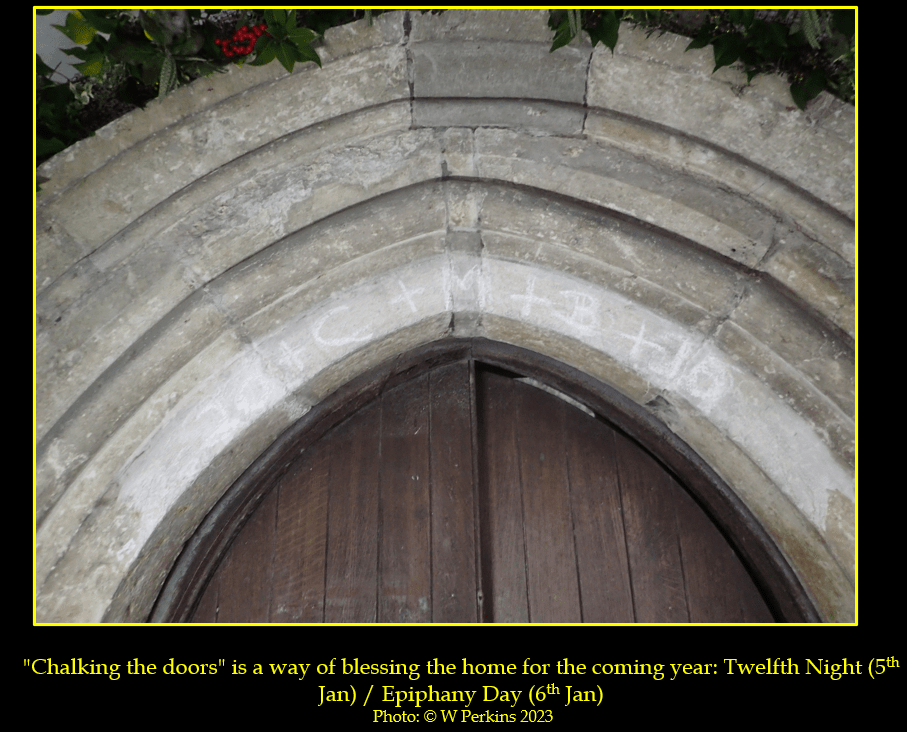
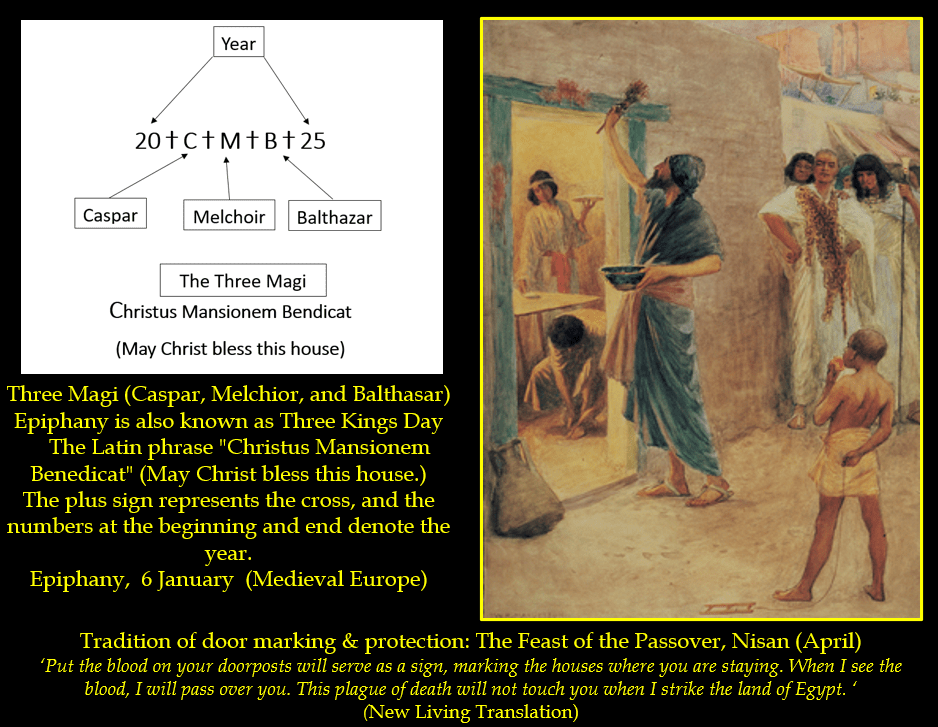
One final surprise was finding that someone had been chalking the doors – a tradition of protecting the building which goes back a long way into history! 20+C+M+B+23.
And with that….I slipped off to my next church!

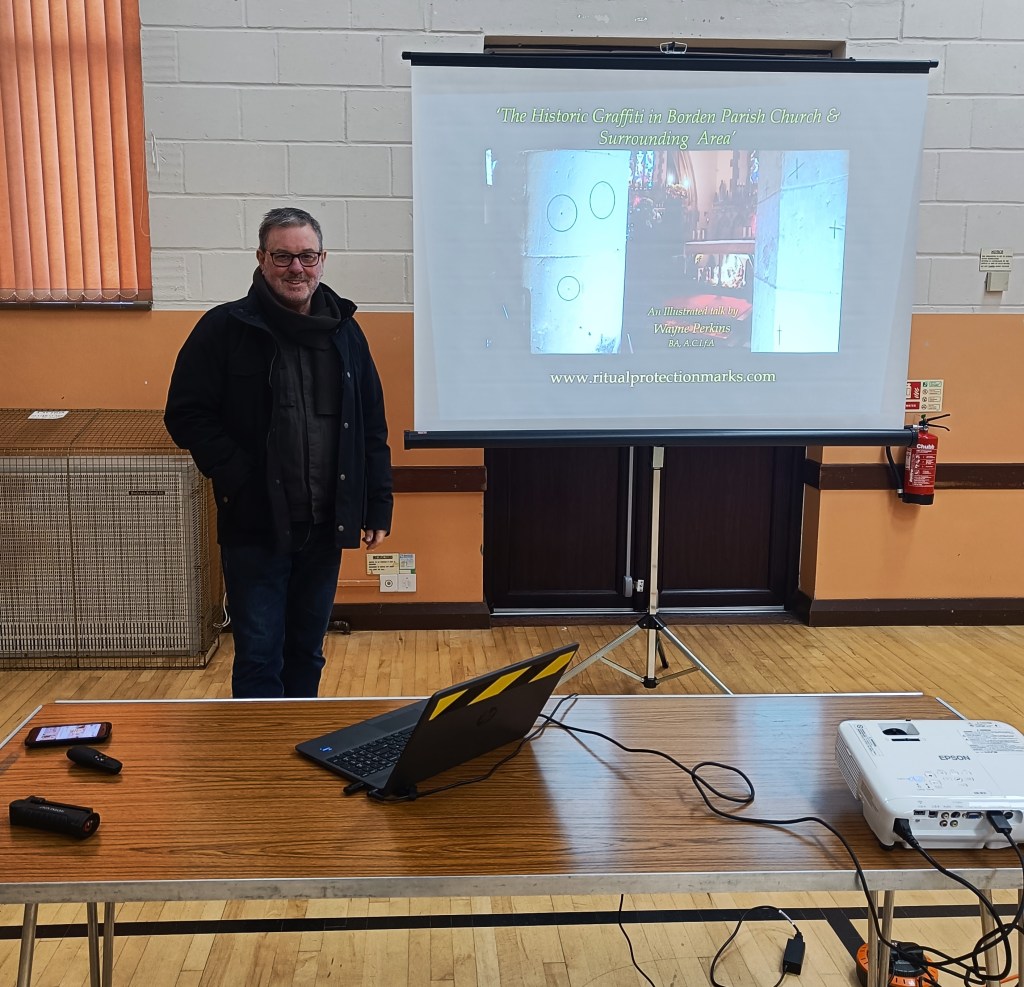

A Very Merry Christmas & A Happy & Healthy 2026 to all the followers of ‘Ritual Protection Marks & Ritual Practices!
New for 2026
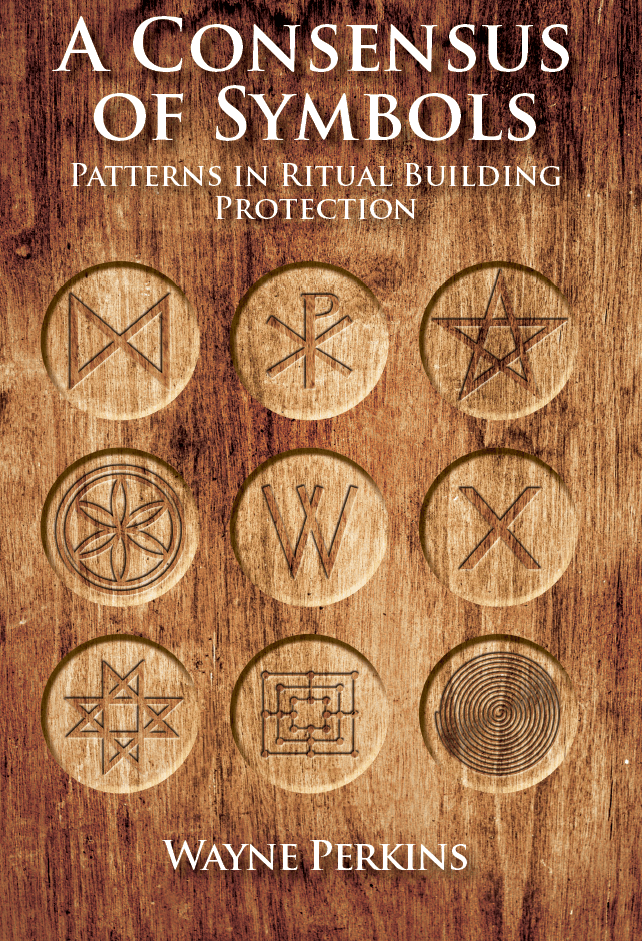
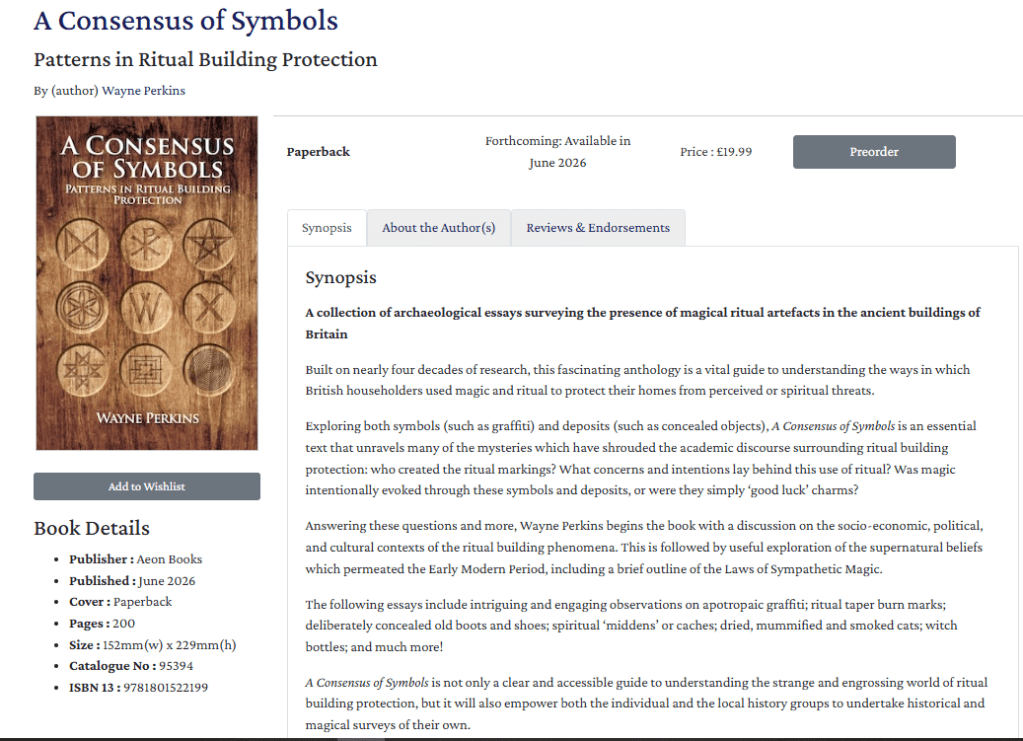
A Consensus of Symbols
Patterns in Ritual Building Protection
By (author) Wayne Perkins

Further Reading
Borden Parish Council
CRSBI (2025) St Peter & St Paul, Borden, Kent
Friends of Kent Churches (2025) St Peter & St Paul, Borden, Kent
Glynne, Stephen Richard (1877) Notes on the churches of Kent. London : J. Murray
Historic England (2025) St Peter & St Paul, Borden, Kent. Heritage Category: Listed Building. Grade: I List Entry Number: 1185731
Kent Churches (2025) St Peter & St Paul, Borden, Kent
Perkins, W (2022) Return to the Source
Perkins, W (2023) The Virgin Mary & the Ragged Staff : A Stick To Beat the Devil With!
St Peter & Paul Church (2025) Church website

 Ritual Protection Marks & Ritual Practices
I love your work. Truly beautiful and wonderful. I love how you explain in detail and with the imagery what all these are. I had no idea about the Reprobus legend though. Learned something new.
LikeLike
Merry Christmas Matey! Look forward to seeing your new book next year! Bradx
LikeLike