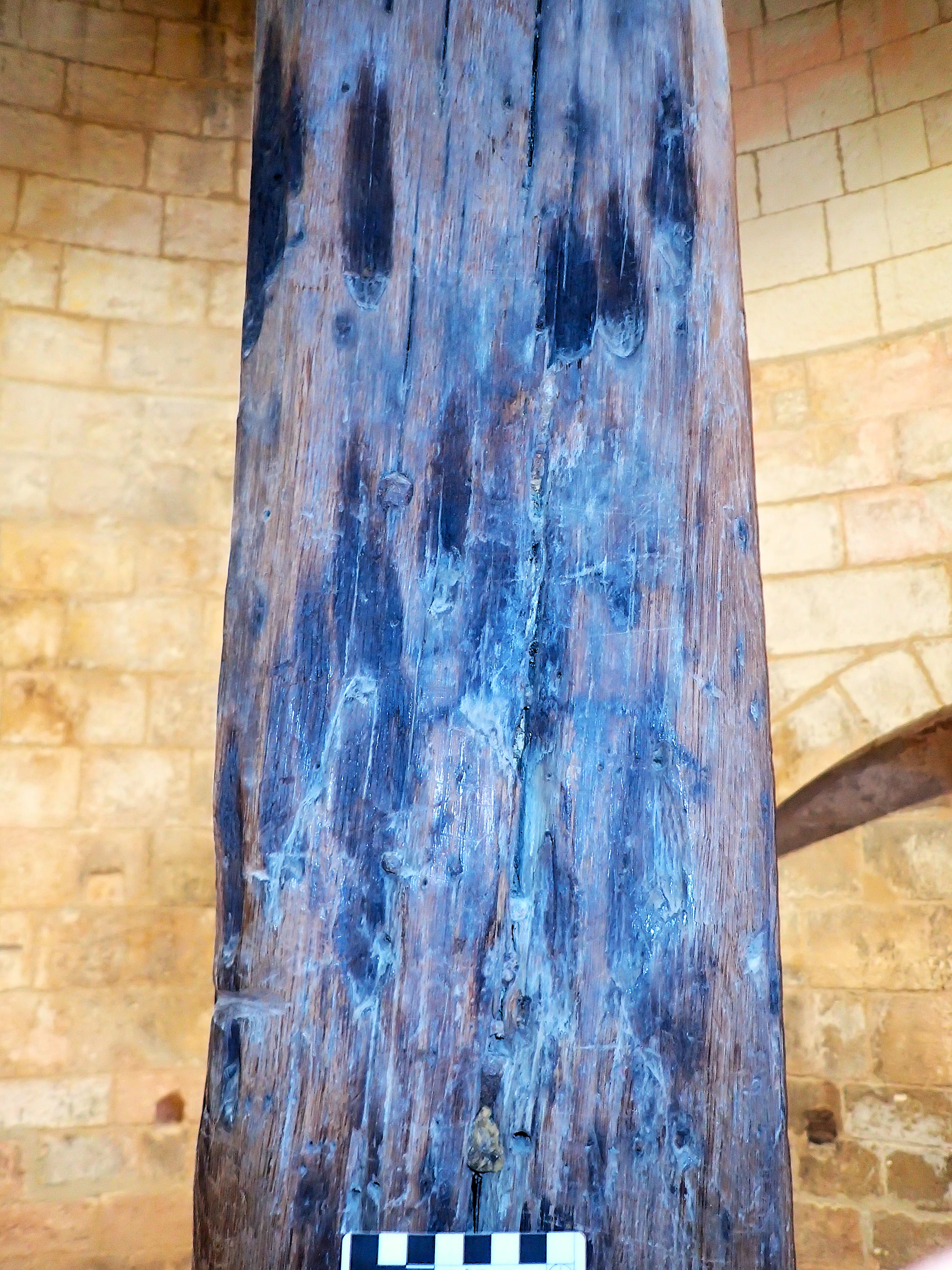
Over the last twenty-five years, archaeologists have been recording
taper burn marks on medieval and later building timbers. Once
thought to be the result of random accidents, they are now
understood to be the material trace of applied “pyro-technology”—an
act intended to protect the building and occupants from harm.
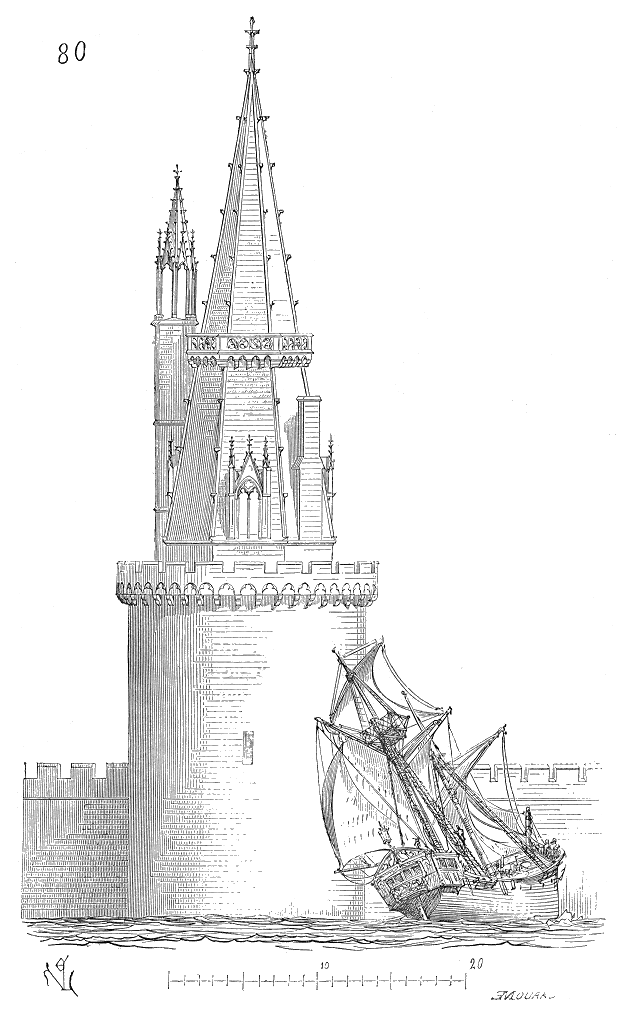
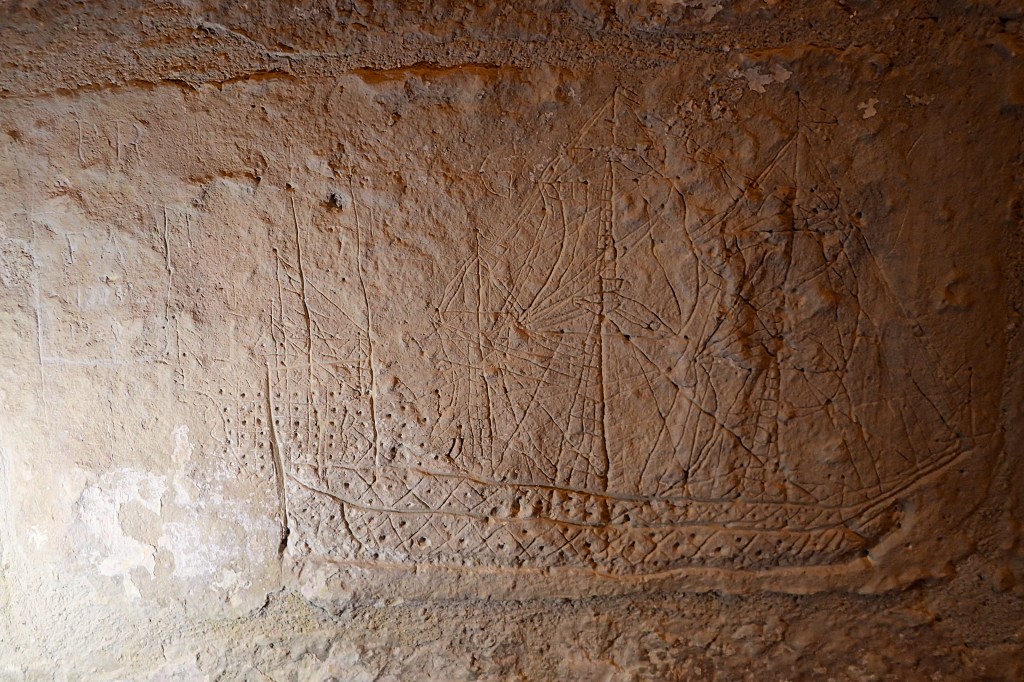
The author has recorded ritual taper burn marks in churches, farm buildings, tithe barns, castles, fortified manor houses and elite residences…here is an example from Le Tour de la Lanterne, La Rochelle, France built both as a defensive tower to guard the harbour before it evolved into a lighthouse. In the 18th and 19th centuries, it was used as a prison for Dutch, English and Spanish sailors who also left their mark…
Taper burn marks: morphology, defining characteristics
A taper burn mark can be identified by its “tear drop” shape—not unlike
that of a candle flame—being round at the base and narrowing to a
point, which is the result of the way the flame was applied to the timber.
Its characteristic shape is the archaeological
trace of a “controlled” flame having been deliberately applied to a timber
element repeatedly, using a taper. A taper was a long, thin candle
used mainly for lighting fires, whose design was intended to create a
long, steady flame. It is now generally agreed that it was the taper—
rather than a candle or a rush light—that was the most likely choice of
“tool” to effect the desired result.
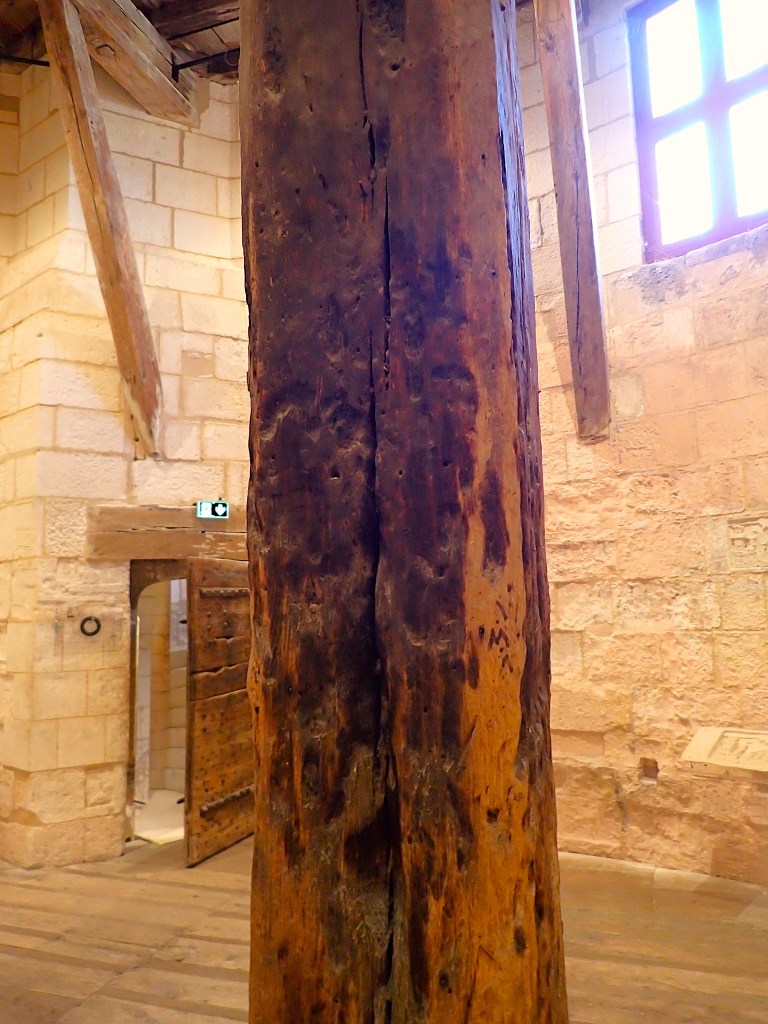
Photo: © W Perkins 2026.
Taper burn marks can vary in size, from a few millimetres in length
to those of several centimetres and can be found either as single burns or in overlapping multiples.
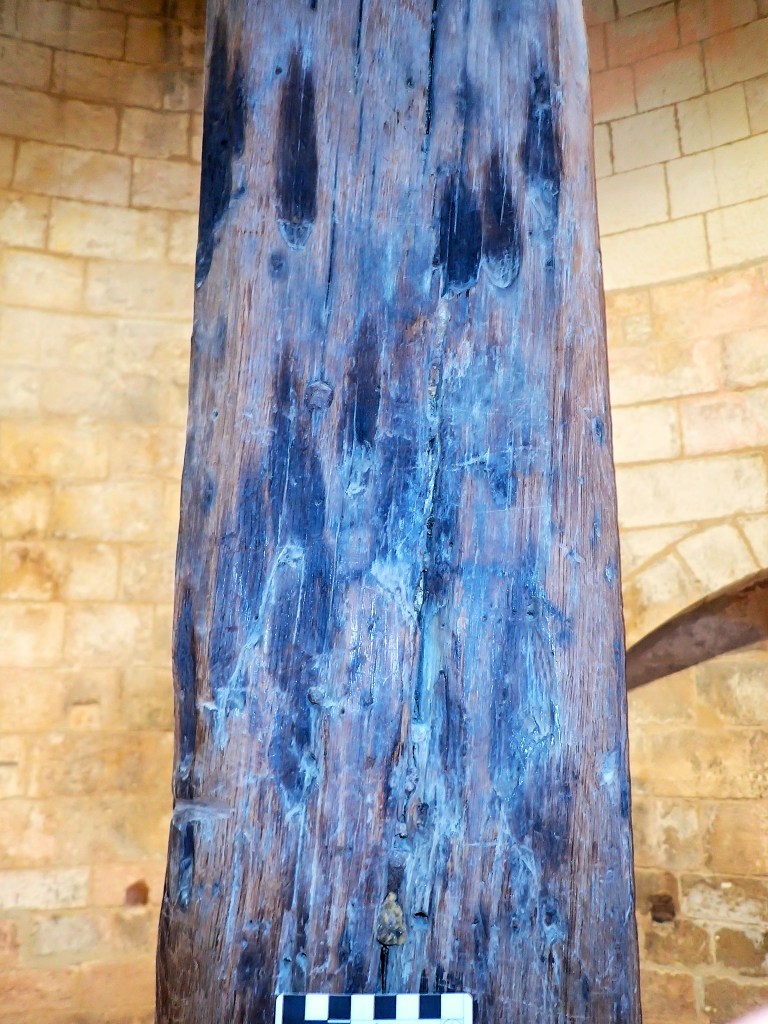
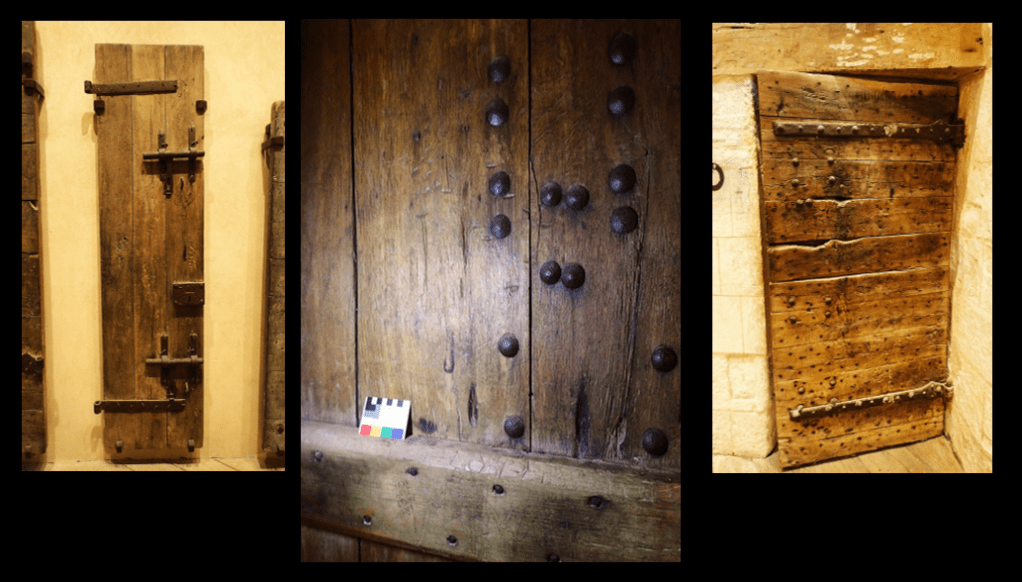
One distinct characteristic of the burn mark is the depth to which the flame has been allowed to burn into the timber, which can be up to several millimetres. They are commonly found on fireplace lintels (bressummers) as well as around thresholds and openings such as timber doors and windows.
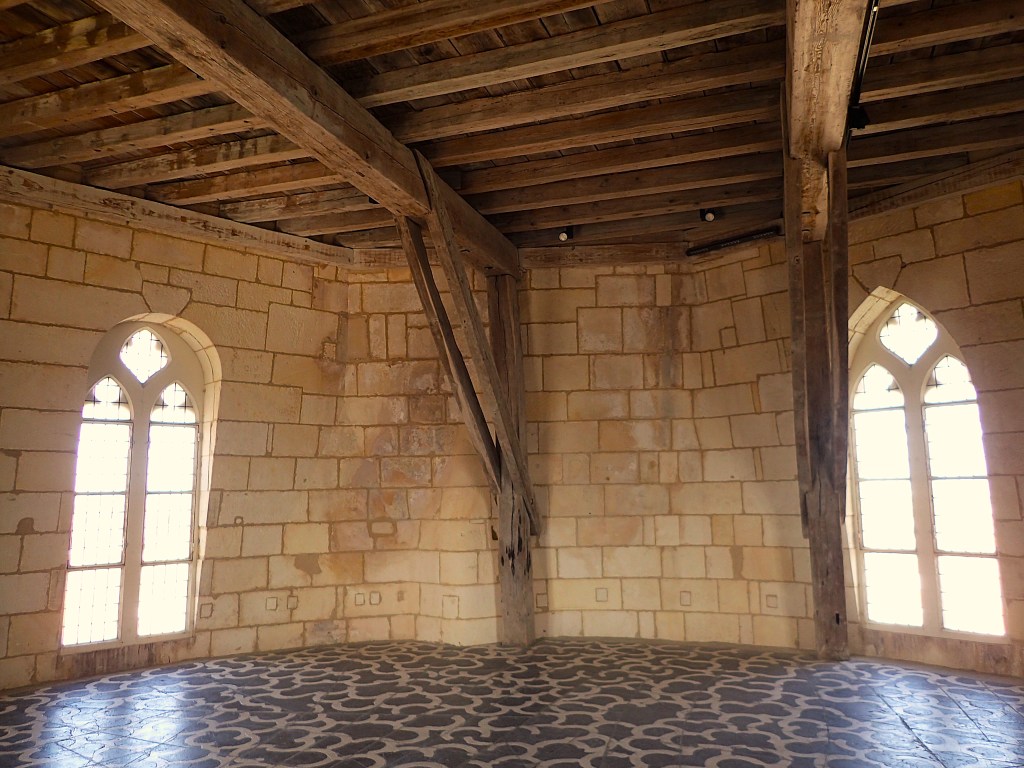
In other instances, they have been found in inaccessible locations within a building, such as behind panelling or even under floorboards, suggesting covert application.
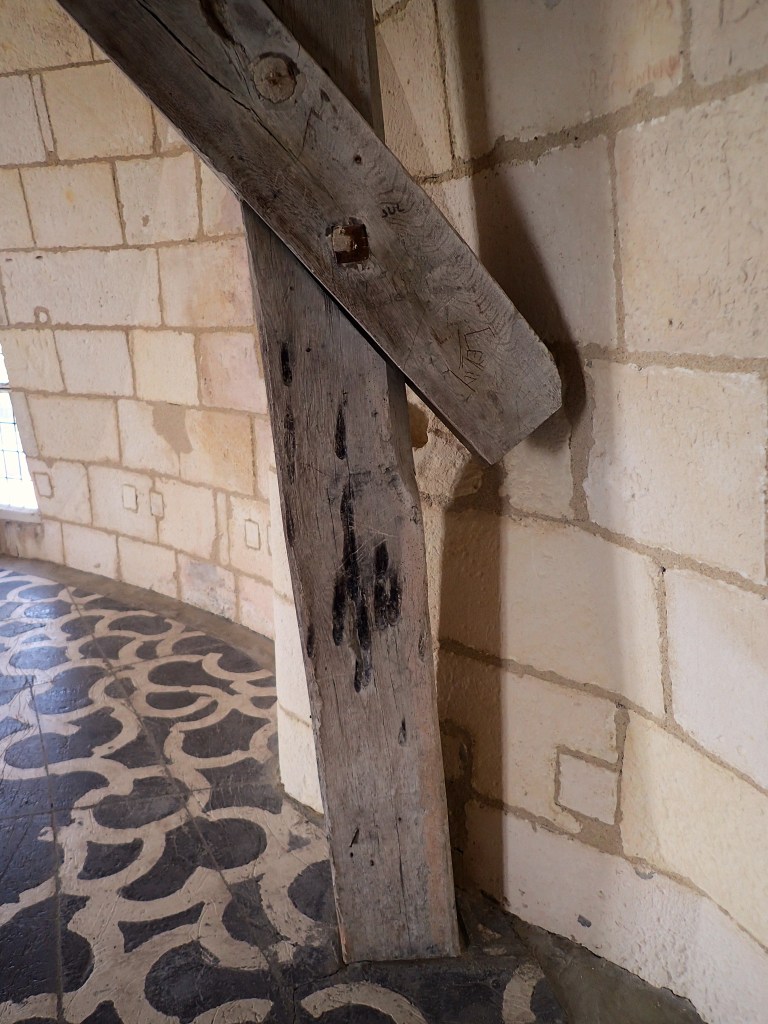
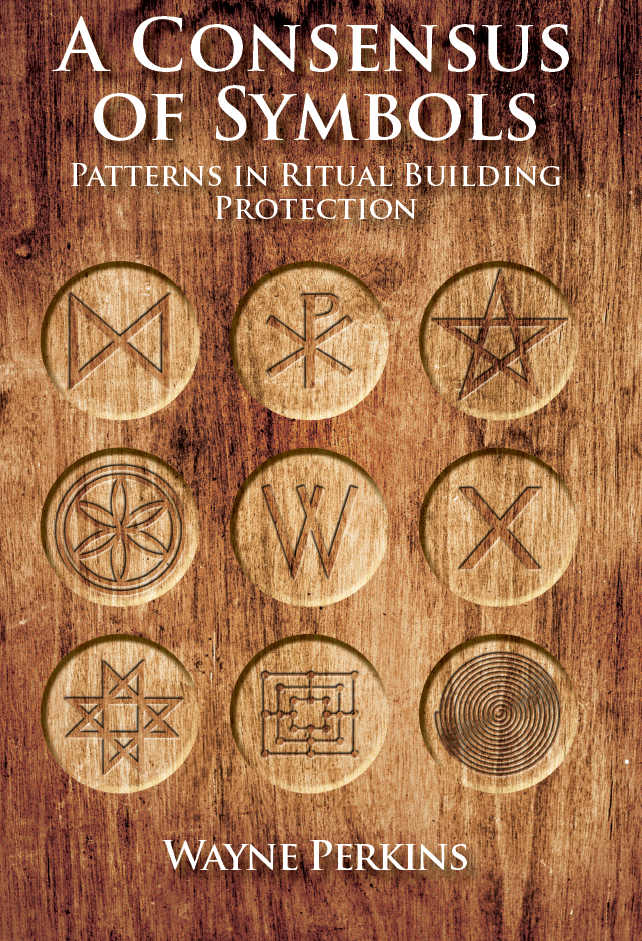
You can learn more about the mysterious ritual taper burn marks in Chapter 4 of my book – out in June 2026!!
Wayne Perkins June 2026.